Abhisek Bose

Abhisek Bose

AI Product Manager · 9 years in product · leads product at CodeClouds

0→1 AI & SaaS Products | Agentic Systems | Product Strategy | Technical Product Management

I build the systems that make AI products reliable in production.

AI Product Manager · Kolkata, India · 0→1 · Agentic AI · B2B SaaS

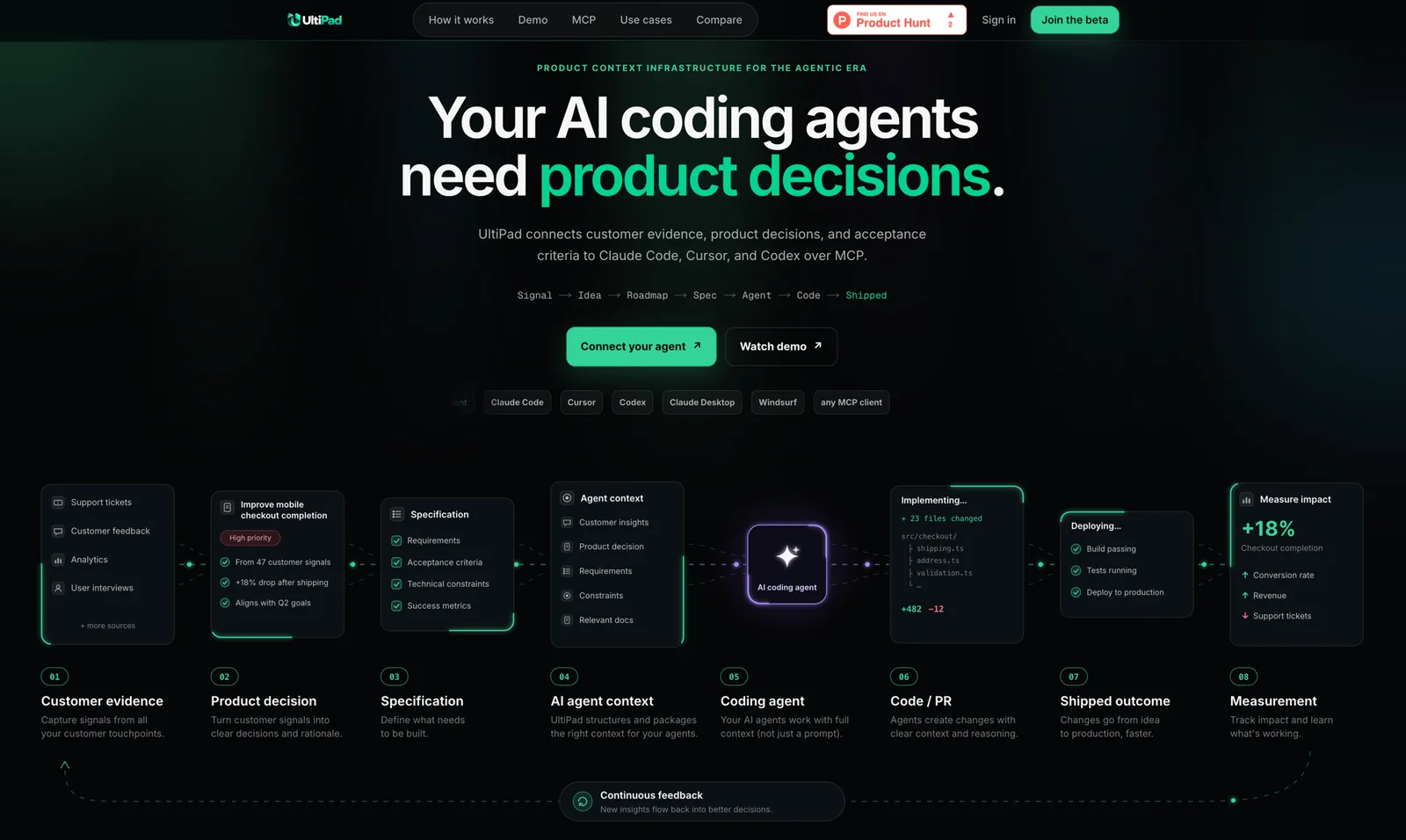
Independently, I built Ultipad. At CodeClouds I lead product for three platforms, and built RAGOS and DeepAgent for funnels myself, on my own initiative. Define evals before shipping. Keep humans in the loop where judgment matters.

89% / 25%
on-spec vs drift · Ultipad
0.96
faithfulness · CC‑RAGOS
$6M/day
checkout · CodeClouds

Open to: Senior / Lead AI PM · Head of AI Product · AI product advisory

Proof, not promises

Three shipped systems. One rule: measured before it ships.

Ultipad · Intent GuardIndependentLive · Beta

Every AI commit scored against the approved spec, before code review.

on-spec commit89% aligned → pass
unrelated commit25% aligned → drift flagged
RAGOS · Eval pipelineBuilt soloLive · Beta

Answers judged for faithfulness to the docs they cite. Below 0.85, fix retrieval.

faithfulness0.96 live use · floor 0.85

~$0.001 per grounded answer

DeepAgent for funnels · Approval gateBuilt soloIn Production

Agents plan and build; a server-enforced human approval gates execution.

  1. Research
  2. Design
  3. Human approval
  4. N sub-coders
  5. QA agent
See how each one works →

35

MCP tools · Ultipad

0.96

RAG faithfulness, live · RAGOS

3-phase

AI evaluation pipeline

22+

experiments · CodeClouds checkout

18%

conversion lift · CodeClouds checkout

$6M/day

checkout GMV · CodeClouds

$15M+

revenue contributed to · 9 years

“An innate ability to break down complex problems and present clear, actionable solutions.”

— Jit Talukdar, LinkedIn recommendation

01 · Shipped products

Selected Work

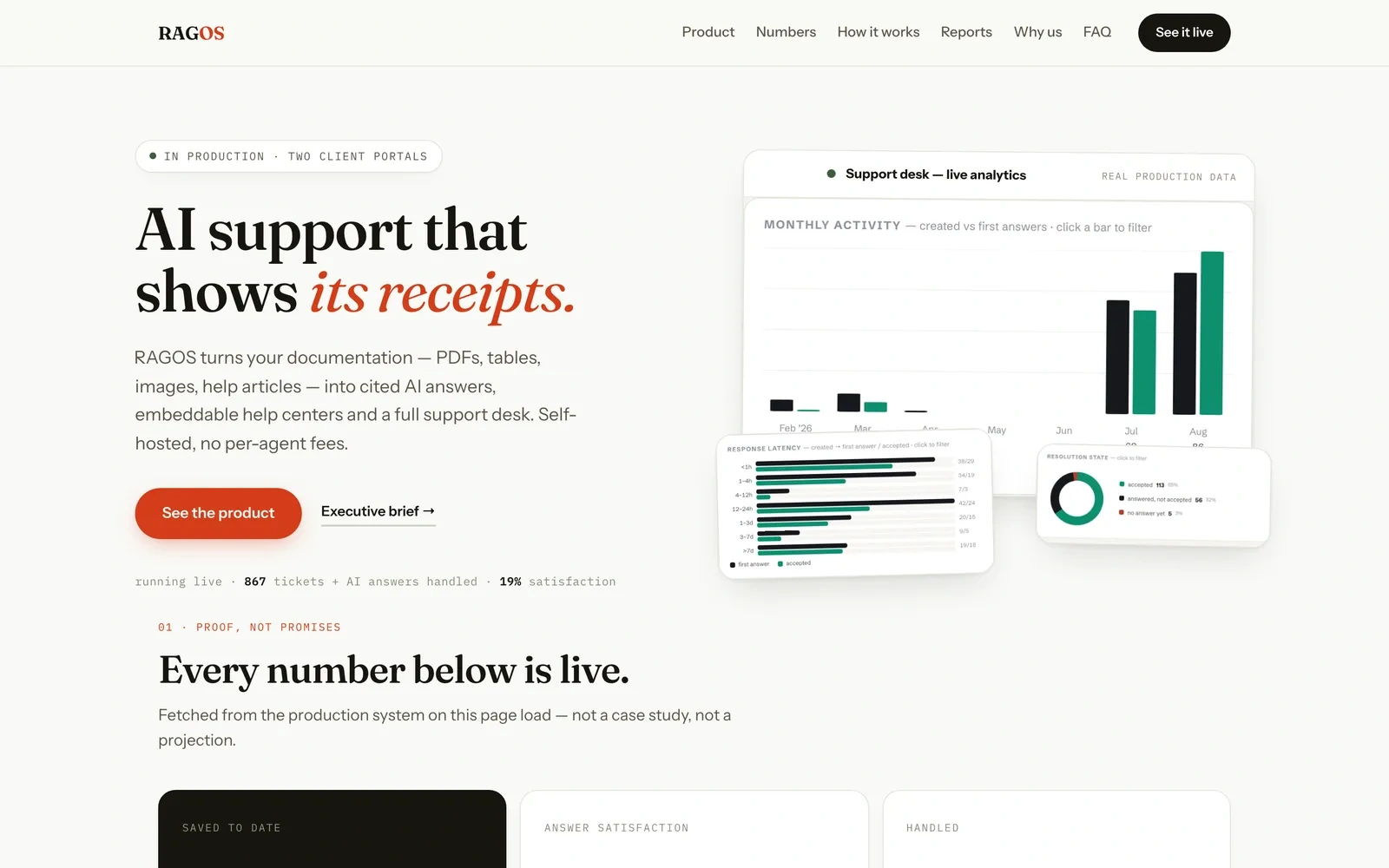
RAGOS

Self-hosted RAG platform + AI support desk

Built solo · runs the Unify and Simplified support portals

Live · Beta
RAGOS self-hosted RAG platform — live production analytics with ticket deflection metrics and cited AI answers

Problem

Support ran on an open-source knowledge base and ticketing tool, but no dashboards, no tracking, no AI. Customers filed a ticket for every funnel question.

Decision

Build the RAG and operations layer on top: cited AI answers deflect tickets at first contact; dashboards, SLA tracking, and agent scorecards serve the ops team.

Outcome

Build-a-funnel tickets dropped drastically — 875+ handled by AI at 0.96 faithfulness, ~$0.001 per answer, with every source cited.

Live production numbers

Fetched from the production system on page load — not a case study, not a projection.

$6,766 saved to date875 tickets + AI answers handled$5,616 SaaS seat fees avoided19% positive feedback rate, real users

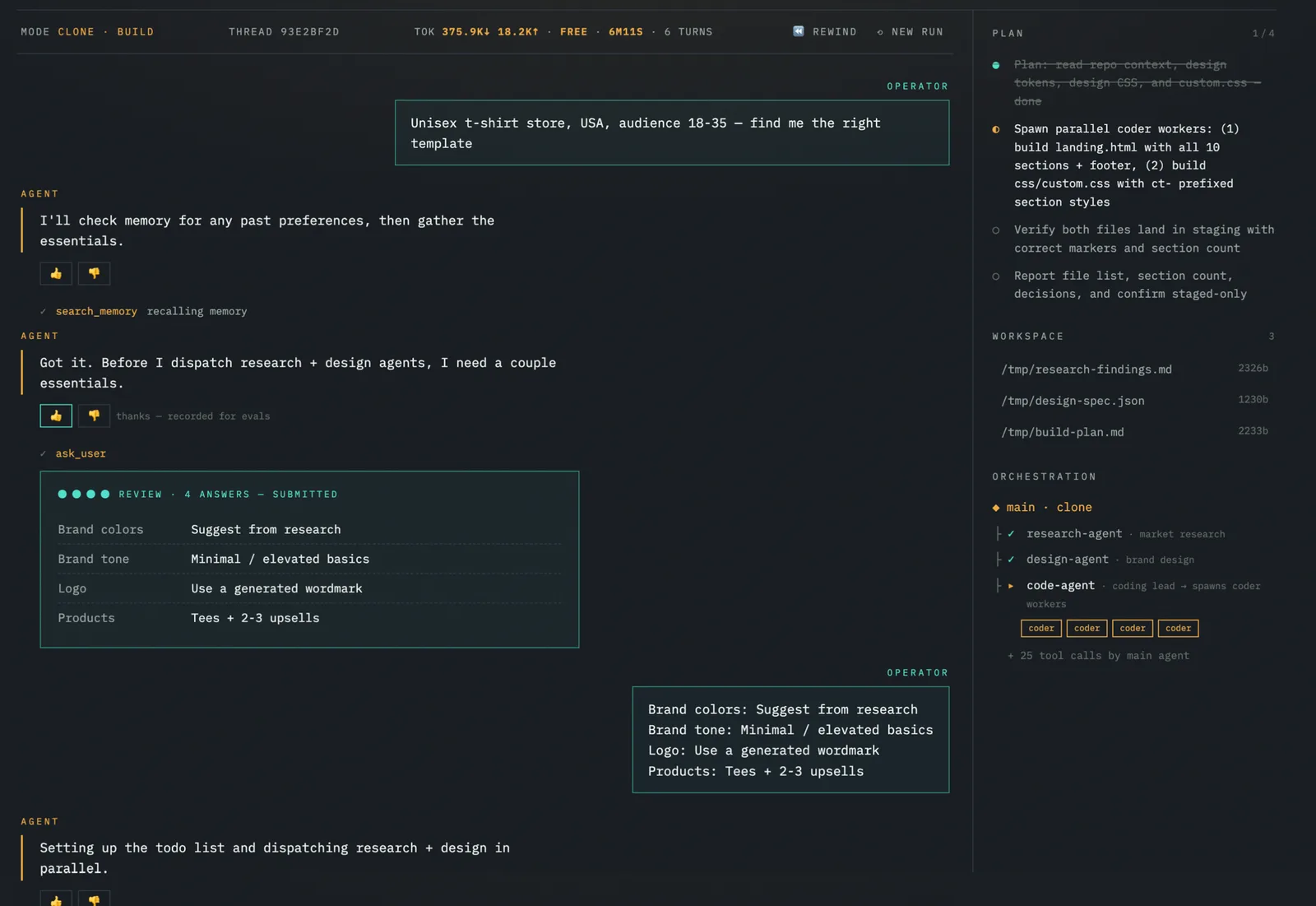
DeepAgent for funnels

Autonomous agents for funnel launch, with server-enforced approval

DeepAgent for funnels built solo

In Production
DeepAgent web UI — live agent plan, parallel research and design subagent dispatch, and human approval gate cards

Problem

Launching a funnel meant 8 stitched-together tools and a developer — and even on one platform, still hours of manual setup.

Decision

Build the platform first, then DeepAgent on top: research agent → design agent → gated approval → a supervising coding agent orchestrating N sub-agents → a QA agent verifying the live funnel.

Outcome

A funnel that took days of manual design and coding now goes from one request to a QA-verified live deploy. 99.95% uptime SLA at $6M/day scale underneath.

Quality is measured, not claimed

Evaluators run offline and online; guardrails are deterministic code; human feedback closes the loop.

server-side approval gatesoffline + online evals👎 → eval datasetLangfuse tracing + live cost HUD

02 · Point of view

Writing & teardowns

What I've learned shipping AI to production, and how I judge other AI products by the same standard. New here? Start with five picks →

Latest writing

All 11 posts →

Product teardowns

All 9 teardowns →

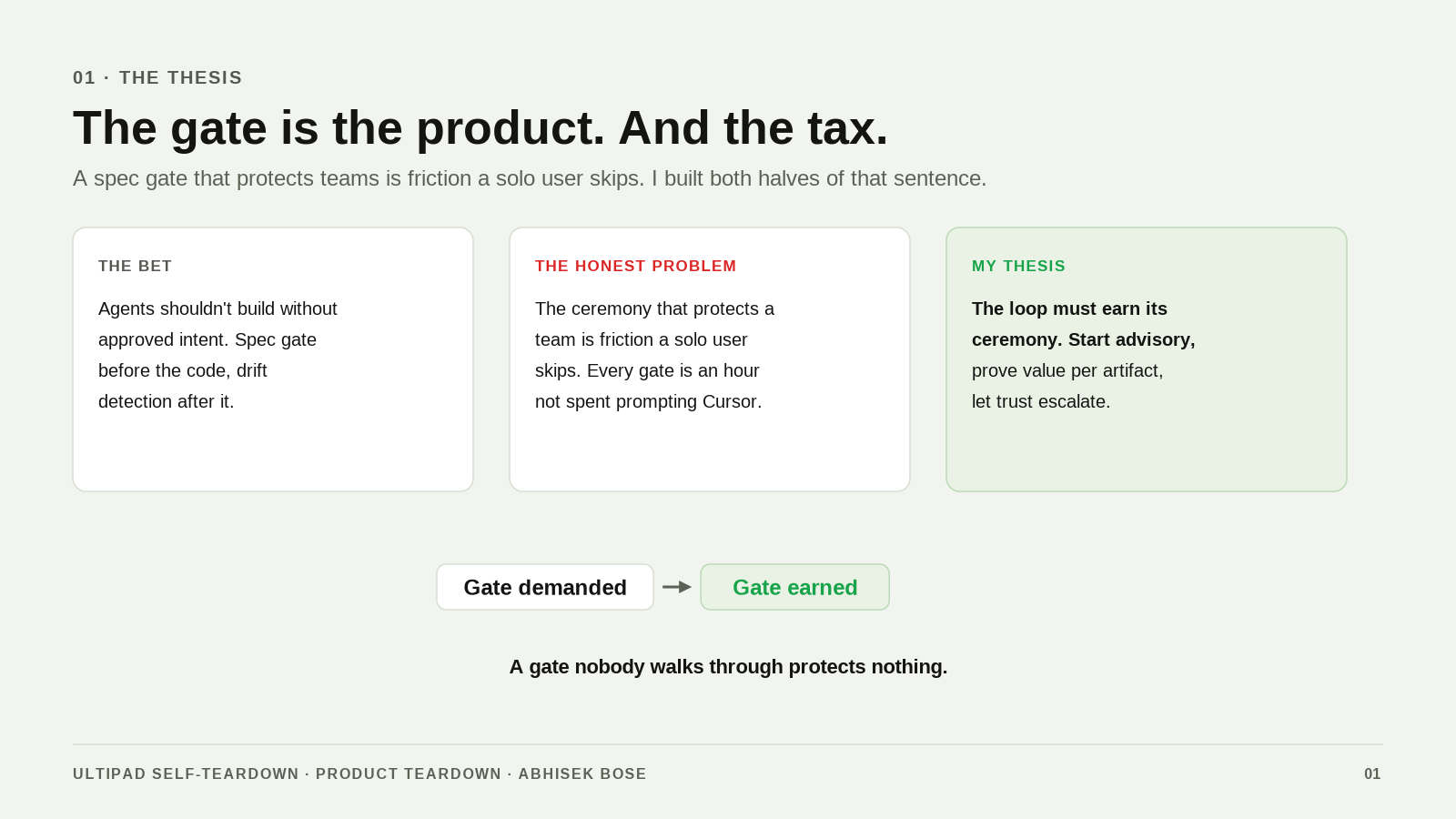
Ultipad (self-teardown)

12 min read

Does my own product survive the trust framework I judge everyone else by?

Ultipad: tearing down my own product with my own framework

The gate is the product and the adoption tax. A first-person teardown of Ultipad's cold-start problem, the bypass risk where adoption failure looks exactly like success, and the value-first inversion the roadmap needs. The conflicts of interest are total — which is exactly why the kill criteria are real.

Self-CritiqueADLCSpec-Drift DetectionAdoption Strategy

Read the teardown →

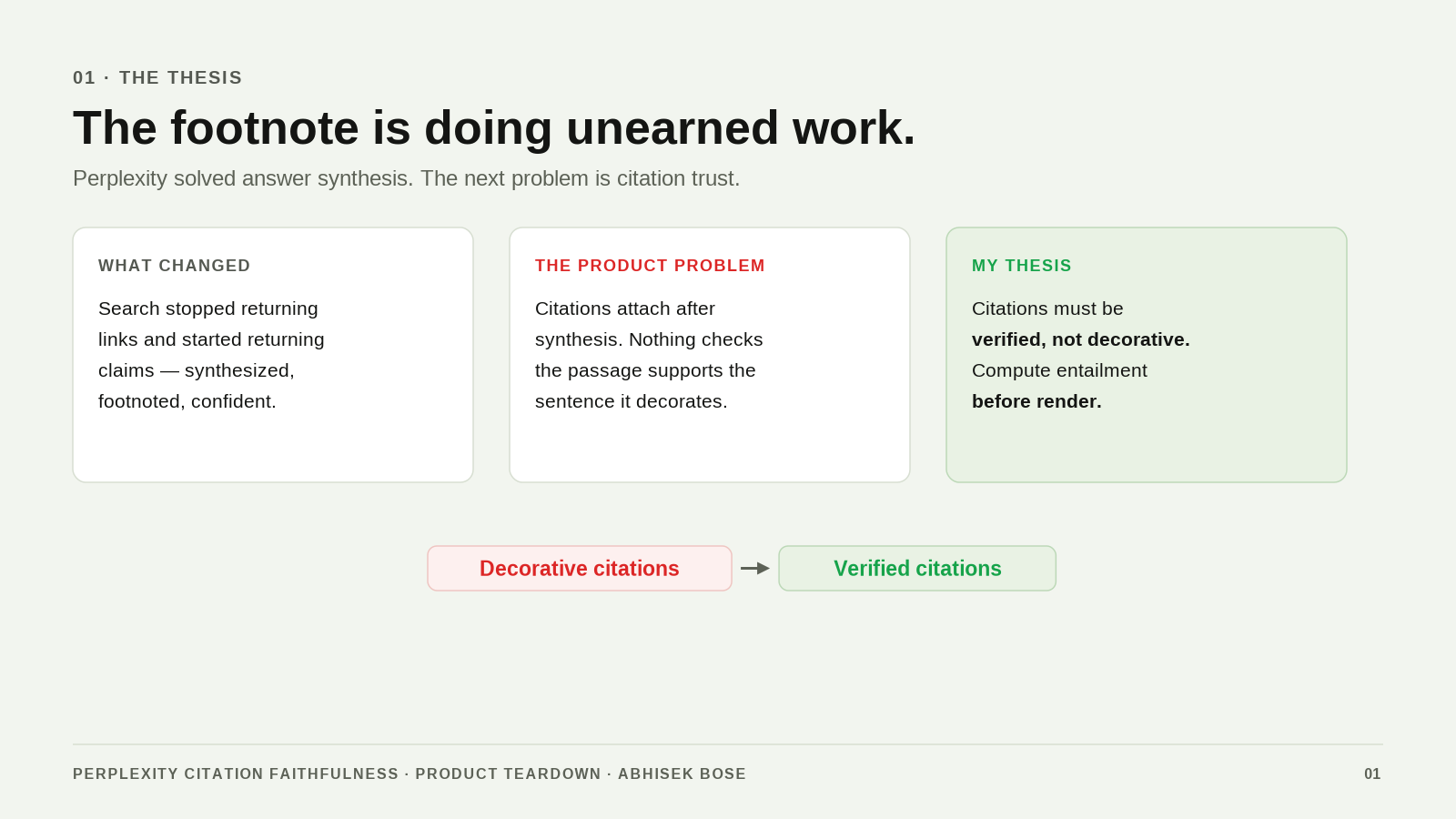
Perplexity AI

12 min read

Can a citation actually prove the claim it accompanies?

Perplexity: citations are the product, and nobody is grading them

A citation next to a sentence and a citation that entails the sentence are different artifacts. Perplexity ships the first and gets credit for the second. Why faithfulness must move from unmeasured aesthetic to render gate — from someone who runs a production RAG pipeline.

RAGAI EvalsTrust & CitationsMonetization Tension

Read the teardown →

GitHub Copilot

12 min read

How do you know an agent built what you intended?

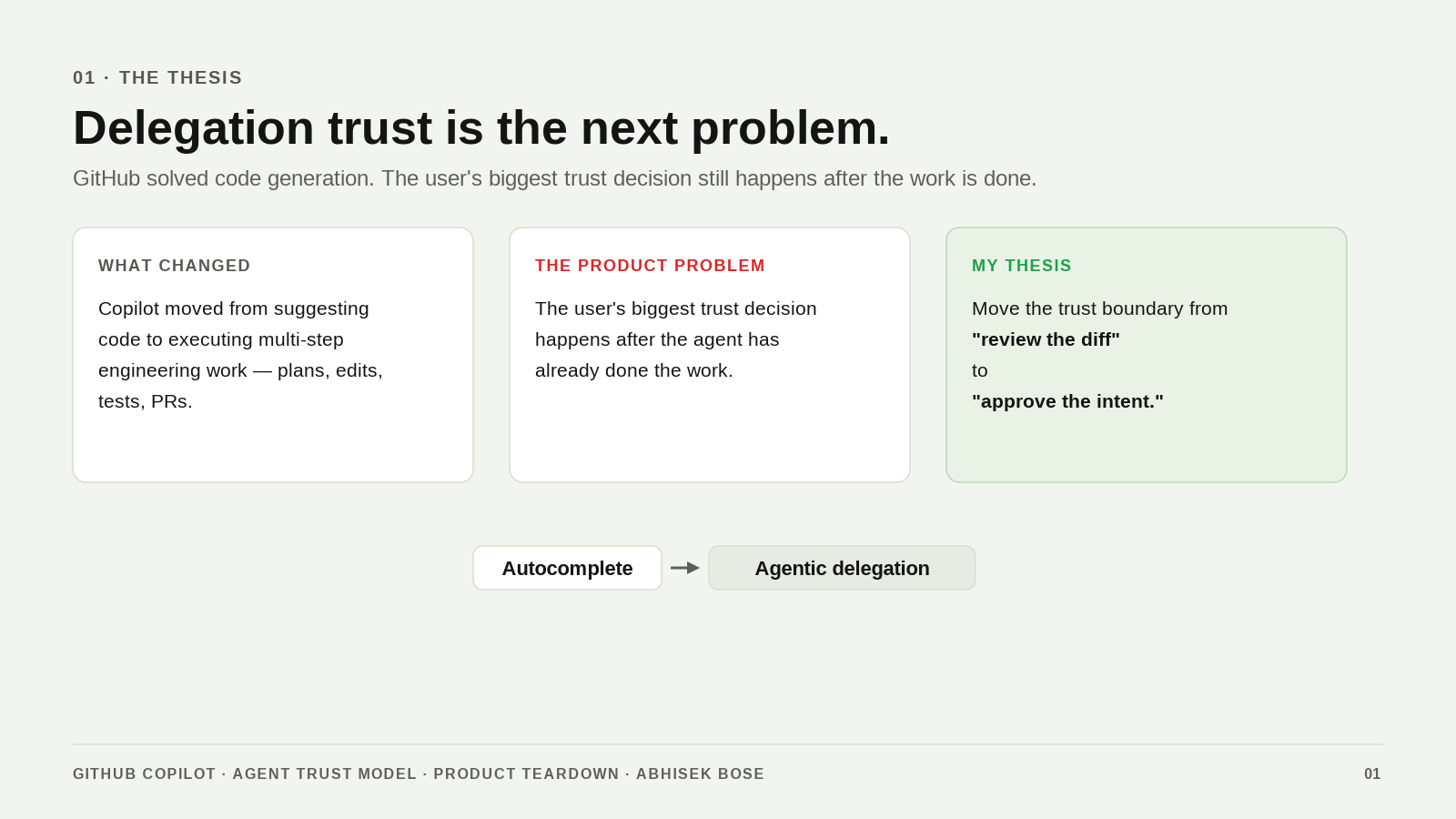
GitHub Copilot: the agent inherited autocomplete's trust model, and it doesn't fit

A 15-section teardown: product evolution, personas, JTBD, trust map, a concrete spec-divergence scenario — then the designed artifacts: an agent task spec, drift-detection interaction, measurement system, and the A/B experiment to validate it all. Approve intent, not archaeology.

Agentic SystemsHuman-in-the-LoopSpec AlignmentMetrics Design

Read the teardown →

New writing and teardowns, when they ship. 6K+ people follow along on LinkedIn.

Subscribe on SubstackFollow on LinkedInRSS

03 · How I think

AI product judgment

The questions I answer before anything ships

How I make AI product decisions

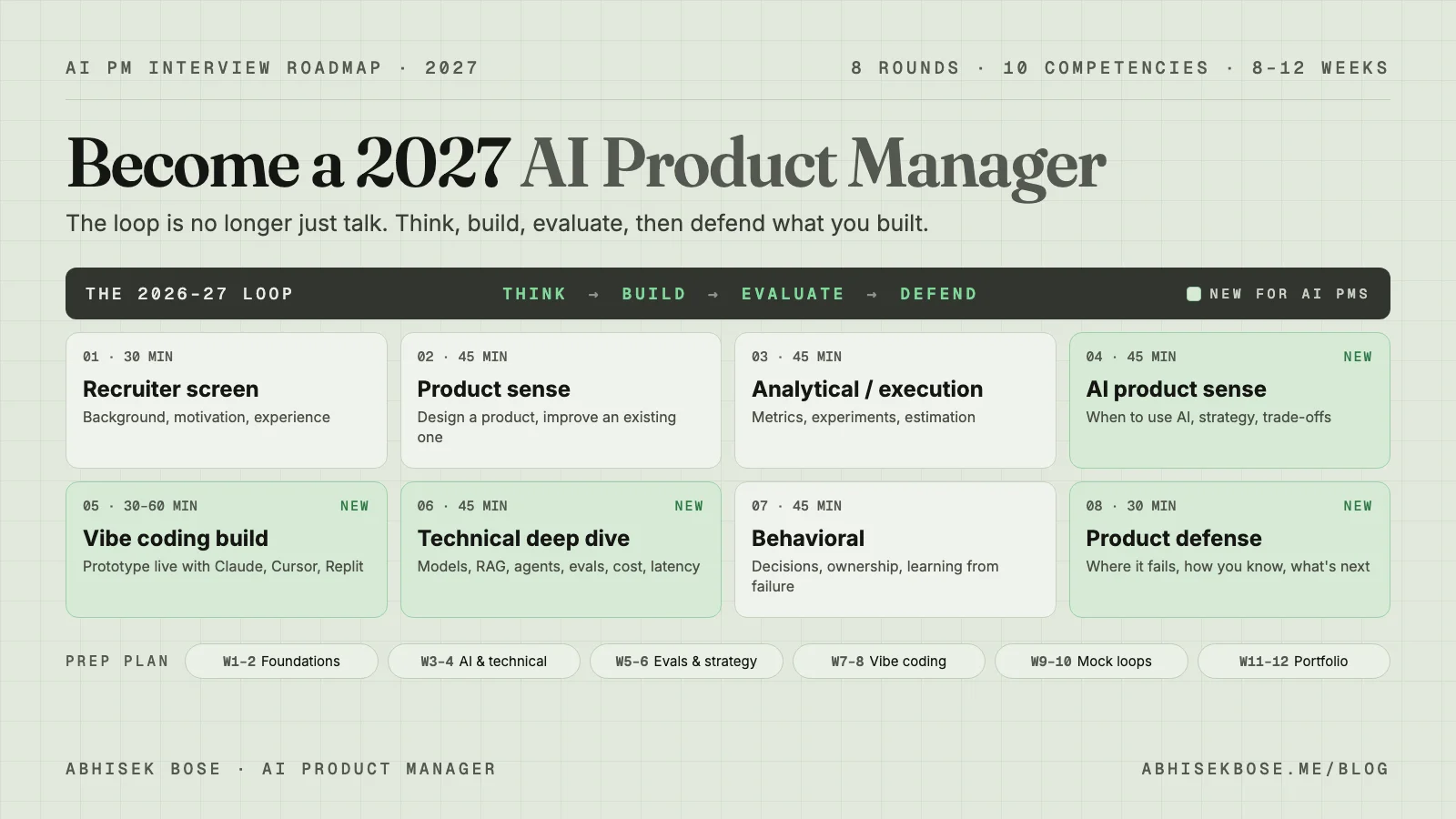
1Should this be AI?→2Is the data sufficient?→3What is the acceptable failure mode?→4Which architecture minimizes risk?→5How will we evaluate it?→6What does it cost at production scale?→7Where does human judgment remain?

Every project below answers all seven — the case studies show the reasoning, not just the result.

Deciding whether to build at all

This doesn't matter

1How fast you can build the first version

2A business case with revenue forecasts

3A roadmap full of features and dates

4The idea everyone loved in the room

5Every feature customers asked for

6Someone saying “I’d pay for this”

7Sign-off from every stakeholder

8A spec handed to engineering

9How many features you ship

10Your team’s velocity

11A polished prototype

12The launch date

This does

1Knowing why it should exist before deciding how to build it

2Checking with sales, legal and finance in week one

3Committing to the problem, open on the solution

4Assuming at least half your ideas won’t work

5Finding the real problem behind the request

6Testing value before you write any code

7Planning how every team will adopt it

8Bringing engineers in from day one

9Measuring what changed for users

10Deciding up front when to stop

11Watching 5 real users try it

12Setting a keep-or-kill date

Start with the problem that has no owner, not the feature that has a champion.

When I scope a 0→1 platform, the first question is always: who is in pain right now, and what are they doing instead? The workaround is the product. If developers are copying API specs into Notion docs and pasting them into prompts, that's not a workflow — that's a gap in the platform I should build.

I define the non-negotiable in week one: the one thing the platform must do for a developer to have a better day. Everything else is deferred. I've learned that 0→1 dies from scope, not from lack of features.

The metric that proves the platform worked is almost never adoption — it's the behaviour change. Did the developer stop doing the manual step? Did the team stop asking the same question twice? That's the only signal worth optimising for at the start.

Artifact · RAGOS eval pipeline, running live

ARetrieval qualitygolden set, recall on known-answer queries
BEnd-to-end pipelinerepresentative queries, full RAG chain
CProduction conversationsreal user sessions, LLM-judge vs retrieved context

0.96

faithfulness score

0.85

confabulation threshold

~$0.001

cost per grounded answer

04 · Responsible AI

Guardrails I ship

Safety that lives in a policy doc isn't safety. Each of these is a mechanism running in a product I've built.

See the specs, eval plan, and decision records behind these →

05 · Track record

Experience

Independent builder

Ultipad ↗

2025 — Present

My own product, built solo on my own time: the first Agent Development Lifecycle (ADLC) platform, where AI coding agents read human-approved specs over MCP and write back what they built.

    Sep 2024 — Present

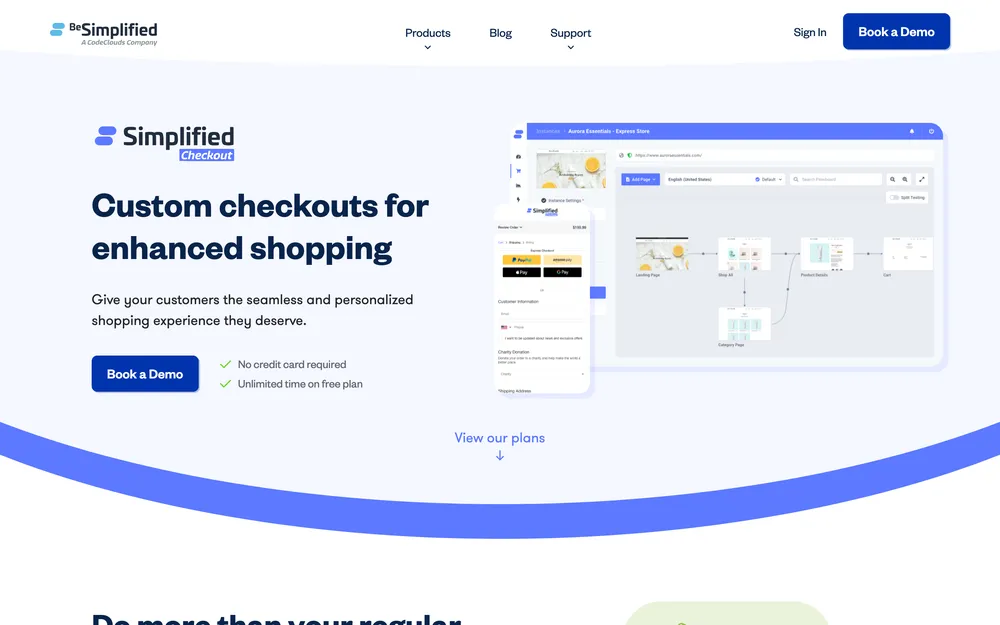
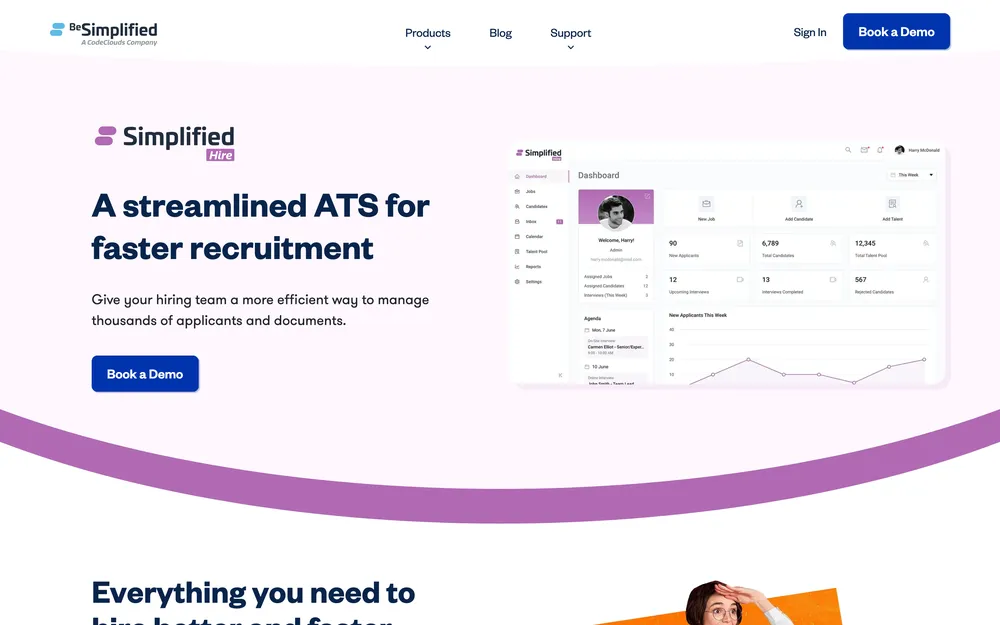
    Own product strategy and delivery across three products spanning commerce, AI recruitment, and campaign management. I lead two product managers, and each product runs with about 10 engineers, 1 designer, and 4 QA.

    • ›Ran 22+ product experiments over 8 months — moved checkout conversion by 18%
    • ›Built Simplify Hire from scratch: automated candidate screening reduced recruiter manual effort by 60%, saving 88+ hrs/month
    • ›Cut fraud investigation time by 70% — centralised decision-support platform pulling risk signals from multiple providers into one workflow
    • ›Led AI transformation of the commerce platform: Merchant Agent, AI Funnel Builder, Automated Checkout QA
    • ›Built RAGOS solo on my own initiative; CodeClouds now runs the Unify and Simplified support portals on it
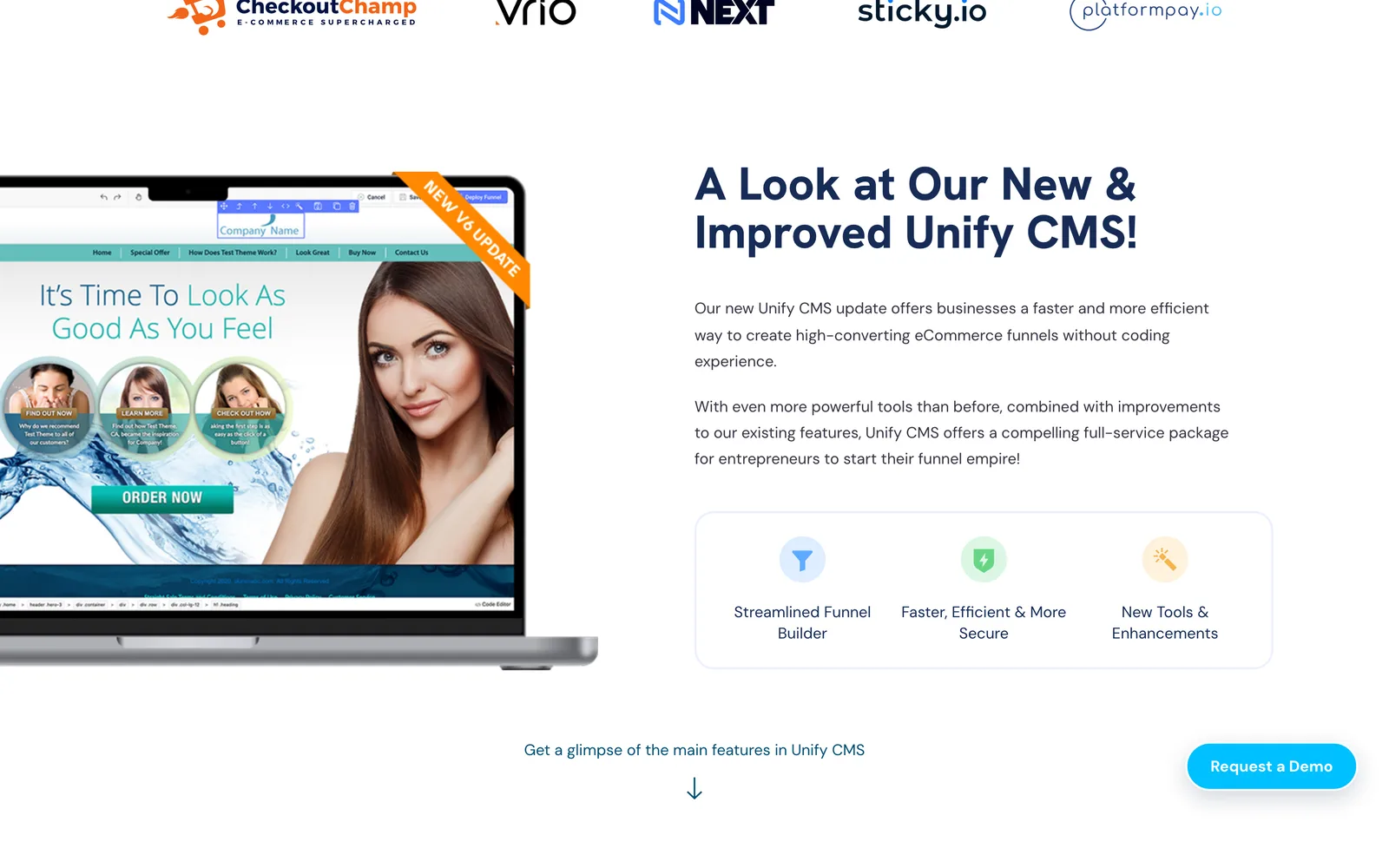
    • ›Built DeepAgent for funnels solo on top of the Unify V6 platform: research, design, human approval, parallel coding agents, QA

    Product Manager

    Tier5 Technologies ↗

    Jul 2019 — Aug 2024

    Led product strategy, roadmap execution, and cross-functional delivery across CRM, customer engagement, communication, and operational management platforms serving high-volume marketing, sales, and business ops teams.

    • ›Sized and validated a $5B+ TAM — translated to product vision, strategy, and OKR framework
    • ›Product work contributed to $15M+ in business revenue through CRM, campaign automation, and sales enablement
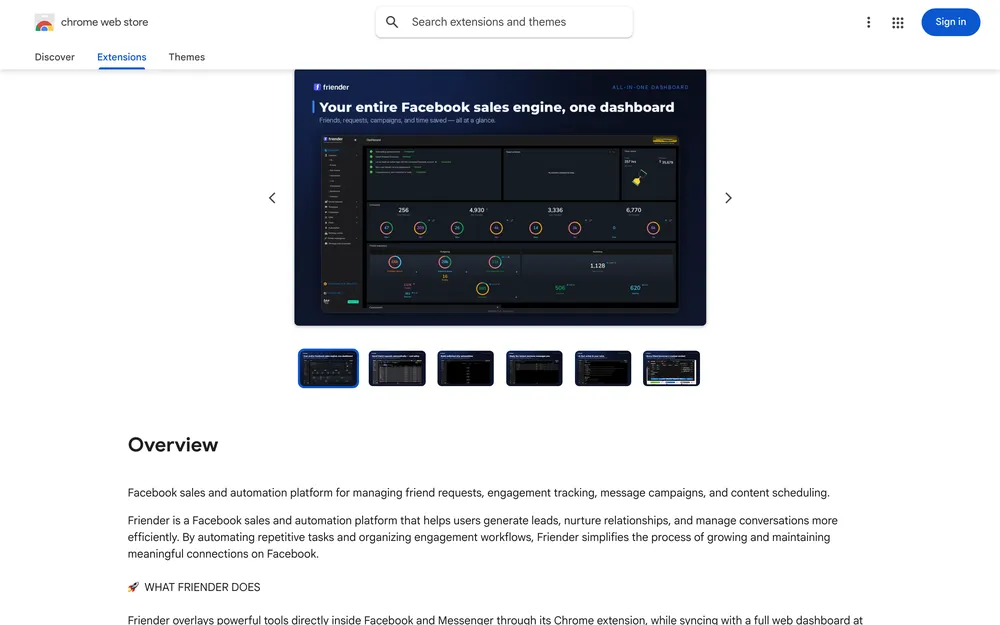
    • ›Redesigned Friender CRM workflows end-to-end — conversion improved by 22%
    • ›Built communication automation on Twilio for Chirply — cut response delays by 65%, improved customer response rates by 28%
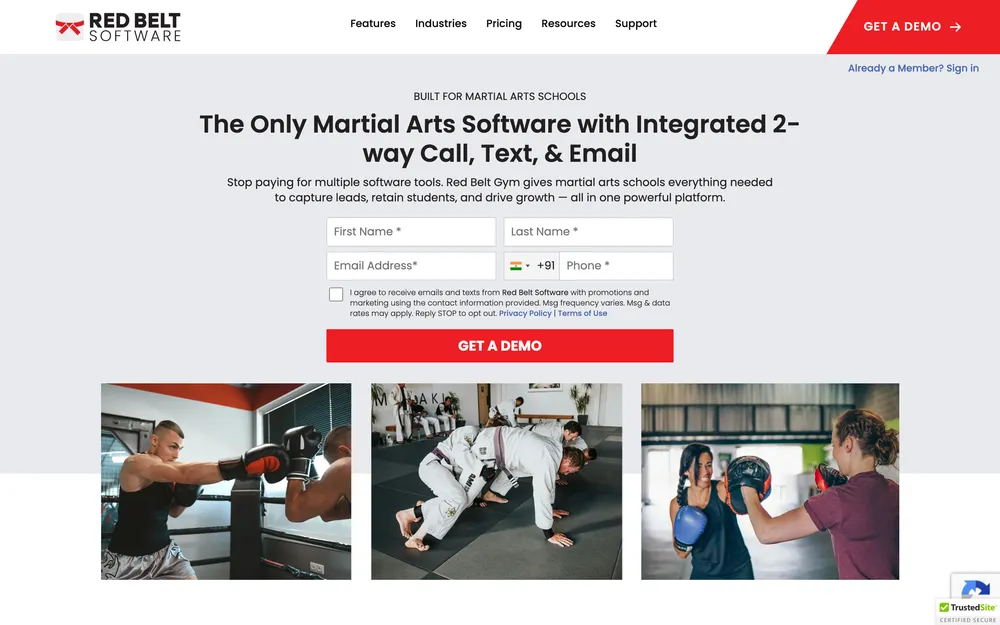
    • ›Red Belt Gym self-service platform: admin workload dropped 45%, member self-service adoption hit 55% in Q1

    Product Owner / Business Analyst

    Various Organisations

    2013 — 2019

    Started in delivery — writing user stories, running requirements workshops, managing sprint backlogs. Also implemented SAGE CRM and SAGE ERP as a functional consultant: mapping current-state business processes, identifying gaps, and configuring systems to match how teams actually worked.

    • ›Learned that the gap between what a business says it does and what it actually does is almost always where the real product problems live

    Certifications & awards →

    In their words

    What people I've worked with say

    “I would recommend Abhisek for his great work as a Senior Product Manager. Abhisek possesses a deep understanding of both market trends and customer needs, which he leverage to create and execute product strategies. One of his qualities is his cross-functional collaboration skills. In addition to his strategic acumen, he demonstrates an ability to balance vision with execution. He is also a proactive problem-solver with a solution-oriented mindset.”

    Ankita Sarkar

    LinkedIn recommendation

    “Abhisek possesses a unique managerial acumen. He has an innate ability to break down complex problems and present clear, actionable solutions. His guidance and support have been instrumental in my professional development, helping me to grow and succeed in my role.”

    Jit Talukdar

    LinkedIn recommendation

    All 11 recommendations on LinkedIn ↗

    06 · Build activity

    Selected prototypes & open source

    github.com/iabhisekbosepm ↗

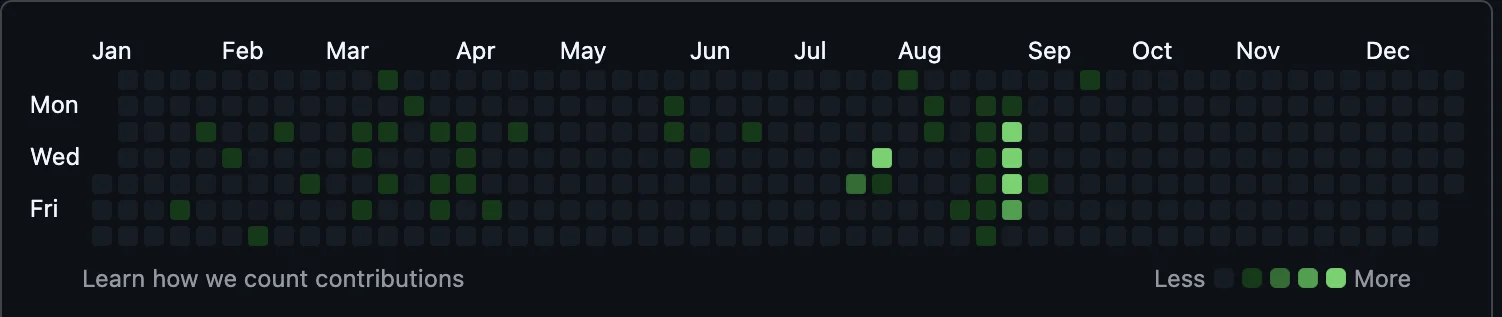
    462

    contributions in 2026

    229

    commits in Sep 2026 alone

    6

    public prototypes with live demos

    GitHub contribution heatmap — 462 contributions in 2026

    462 contributions in 2026 · includes private repos (ultipad, CCSupportDesk) · top month: Sep, 229 commits

    RAGOS

    Self-hosted RAG platform: upload PDFs, Office files, images, audio, web pages, or YouTube, then chat with them using several retrieval strategies.

    What it shows: Explainable RAG: the chunks, retrieval steps, citations, and knowledge graph are all visible. The open core RAGOS grew from.

    Python★ 2

    CodingViaMultiAgents

    LangGraph multi-agent patterns: planning, tool calling, memory, orchestration, reflection loops, human-in-the-loop, guardrails, stateful execution.

    What it shows: One working example per pattern, including the planning, human approval, and guardrails DeepAgent for funnels relies on.

    Python★ 1

    custom_agent

    A terminal AI coding assistant that runs on your machine: explorer, coder, and reviewer agents on any OpenAI-compatible API (OpenRouter, Ollama, LM Studio).

    What it shows: A local, model-agnostic take on Claude Code-style agents.

    TypeScript★ 3 · 3 forks

    MCPTutorial

    Hands-on Model Context Protocol guide plus a working Python MCP server: tools, resources, prompts, progress, elicitation, Streamable HTTP.

    What it shows: MCP end to end, the protocol Ultipad’s 35-tool server is built on.

    HTML

    claude-god-setup

    Multi-agent orchestration for Claude Code: 21 specialized agents, automated workflows, and cost-optimized model routing. Published on npm.

    What it shows: Routing work to the cheapest model that can do it, packaged for other builders.

    JavaScript★ 1

    cortexbrain

    A B2B AI knowledge system that gives an organization a persistent, self-correcting internal brain.

    What it shows: Knowledge that corrects itself over time instead of going stale.

    Python

    07 · Playbooks

    Books & Resources

    Now shipping

    U

    UltiPad

    The product-intelligence layer for AI-native teams. Live in open beta.

    Visit UltiPad →

    Career timeline

    2024 — Present

    Product Manager · CodeClouds IT Solutions

    Building AI-native SaaS products (Checkout, Unify CMS, Simplify Hire)

    2019 — 2024

    Product Manager · Tier5 Technologies

    $15M+ revenue impact through CRM and platform innovations

    2013 — 2019

    Product & Technology Roles · Various

    Building products, leading teams, learning every day

    Abhisek Bose

    Let's connect

    Open to Senior / Lead AI PM, Head of AI Product, and AI product advisory roles. Always happy to talk product and AI.